
Bette Davis
American actress known for intense roles and two Best Actress Oscars.

via Wikipedia: Sammy Davis Jr. · see source
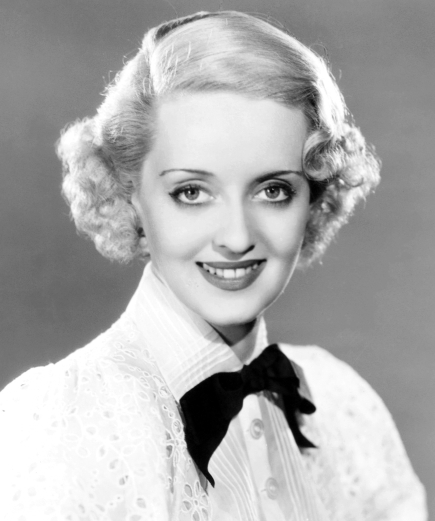
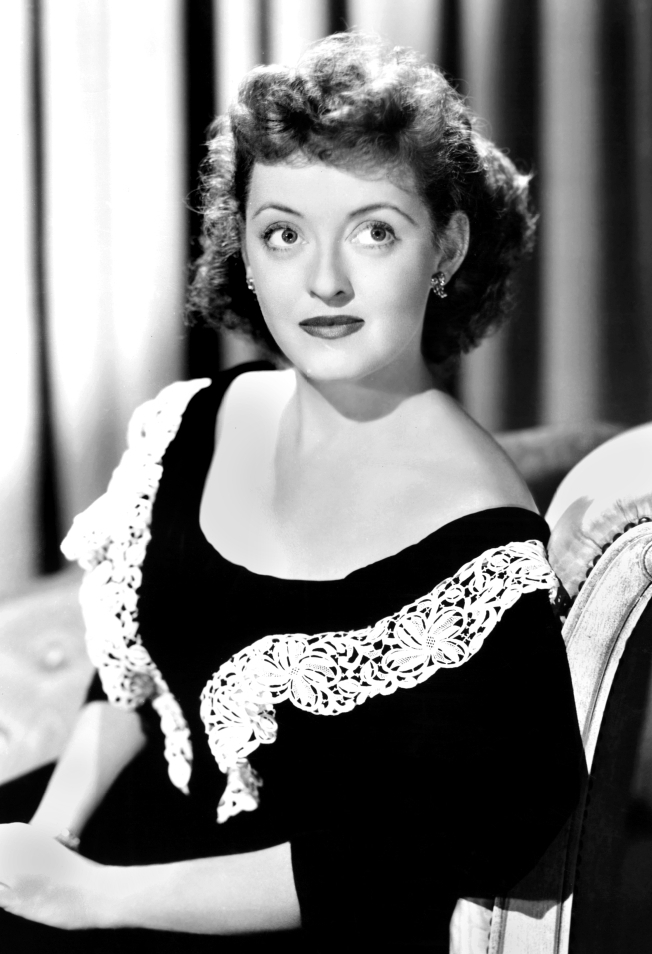
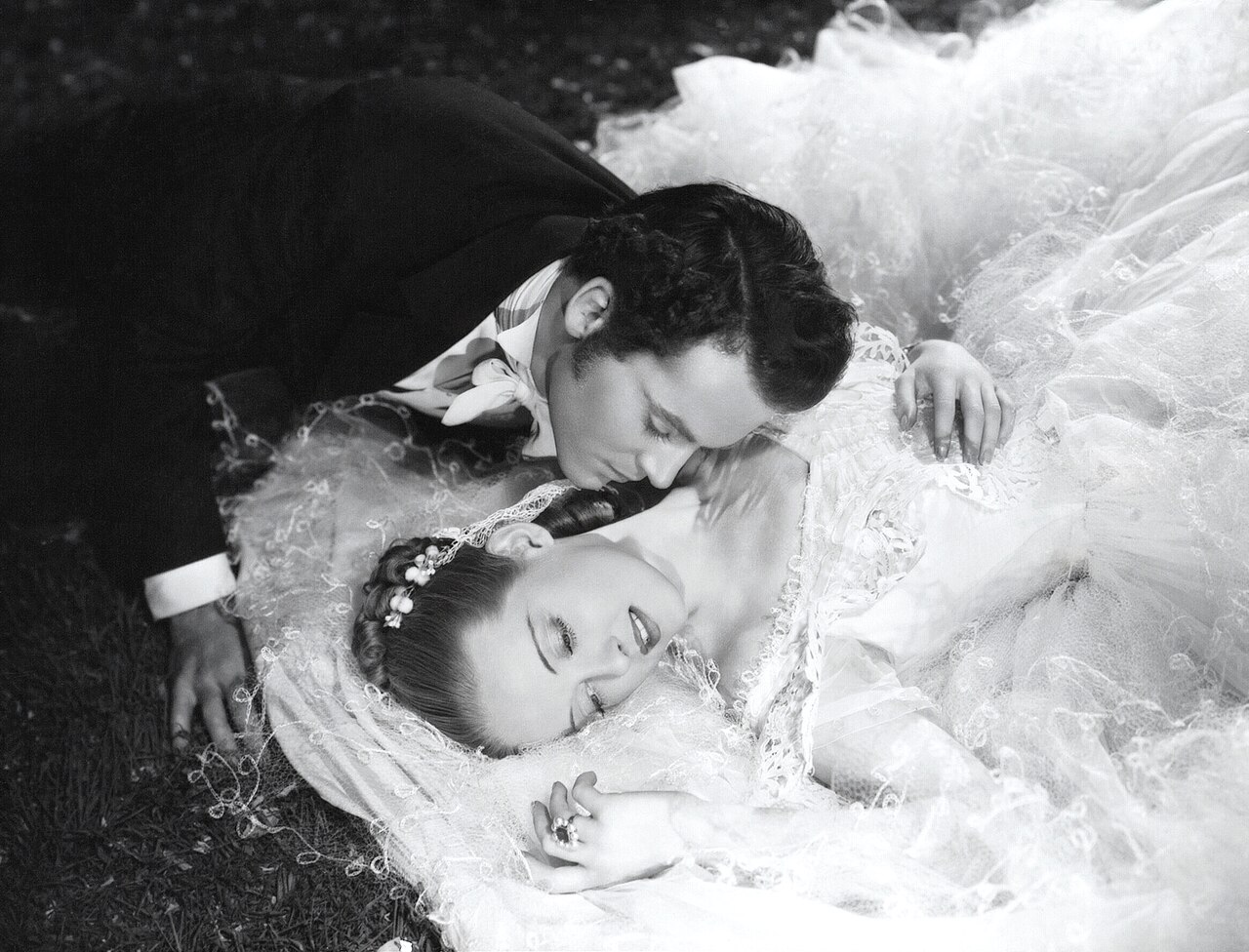
She was noted for her willingness to play unsympathetic, sardonic characters and was known for her performances in a range of film genres, from contemporary crime melodramas to historical and period films and occasional comedies, although her greatest successes were her roles in romantic dramas. She won the Academy Award for Best Actress twice, was the second actress to accrue ten Academy Award nominations (and one write-in) for acting, and was the first woman to receive a Lifetime Achievement Award from the American Film Institute.
- known_for
- Two Academy Awards for Best Actress; second actress to accrue ten acting nominat
Verified Timeline
Lore & Background
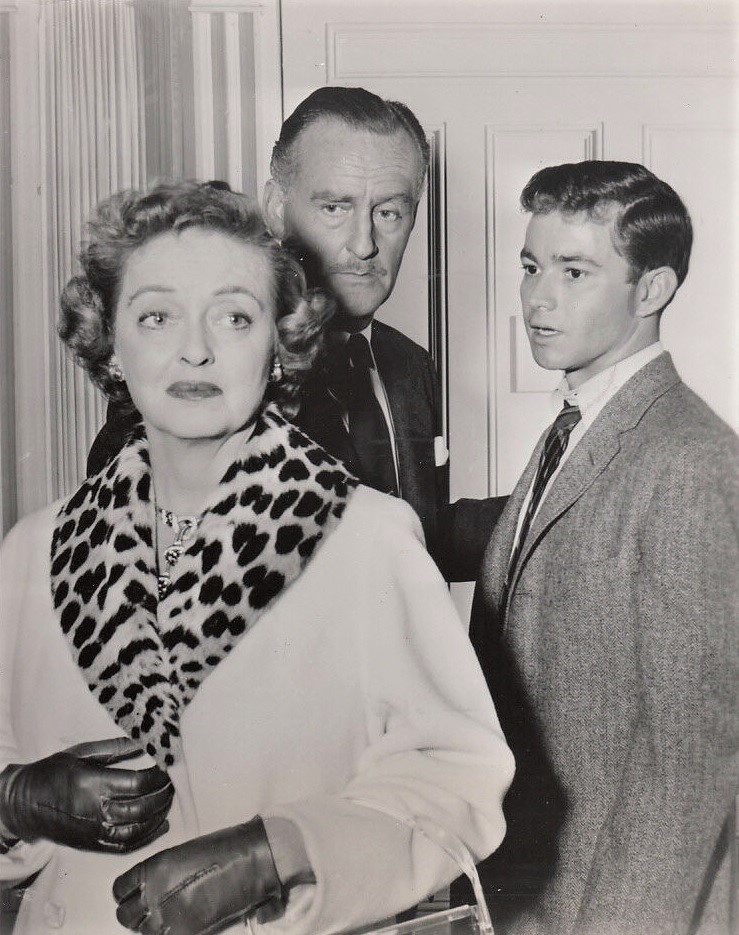
After appearing in Broadway plays, Davis moved to Hollywood in 1930, but her early films for Universal Studios were unsuccessful. She joined Warner Bros. Until the late 1940s, she was one of American cinema's most celebrated leading ladies. A period of decline in the late 1940s was redeemed with her role as a fading Broadway star in All About Eve (1950), which has often been cited as her best performance. She received Best Actress nominations for this film and for The Star (1952), but her career struggled over the rest of the decade. Her last nomination came for her role as the psychotic former child star Jane Hudson in the psychological horror film What Ever Happened to Baby Jane? Her last complete cinematic part was in the drama The Whales of August (1987).
Reader's Guide
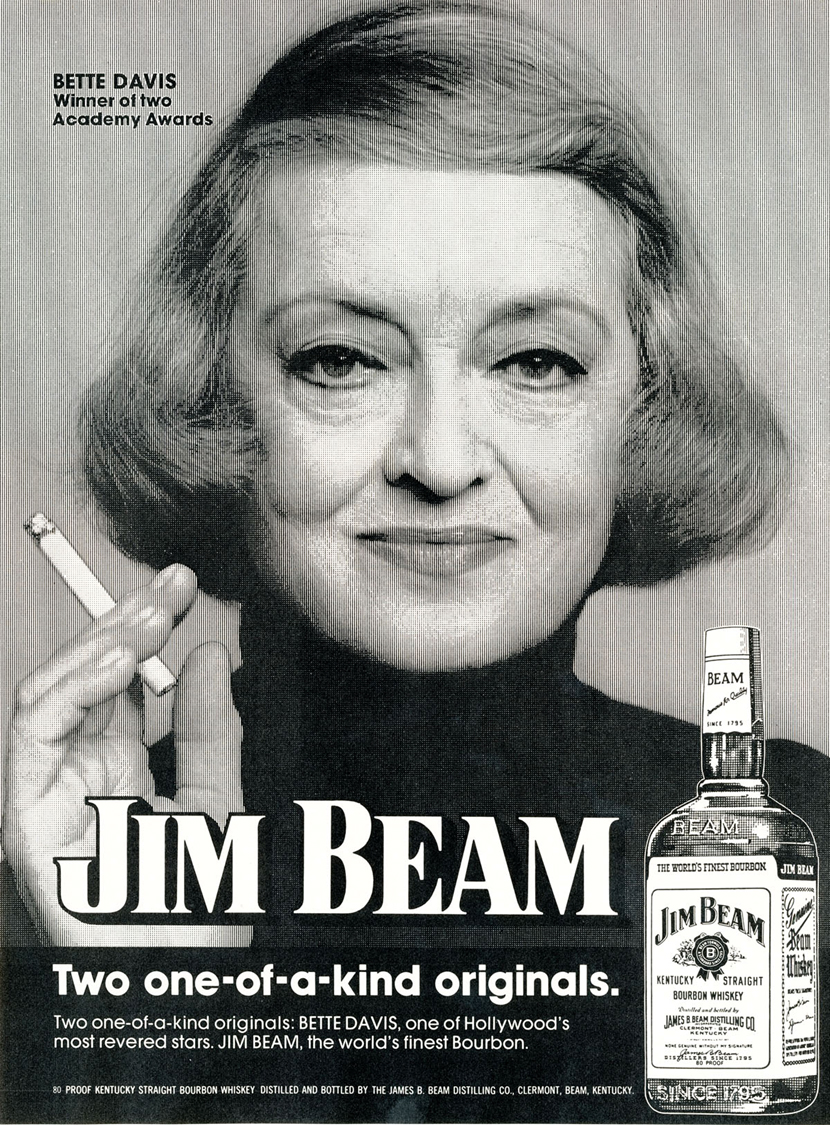
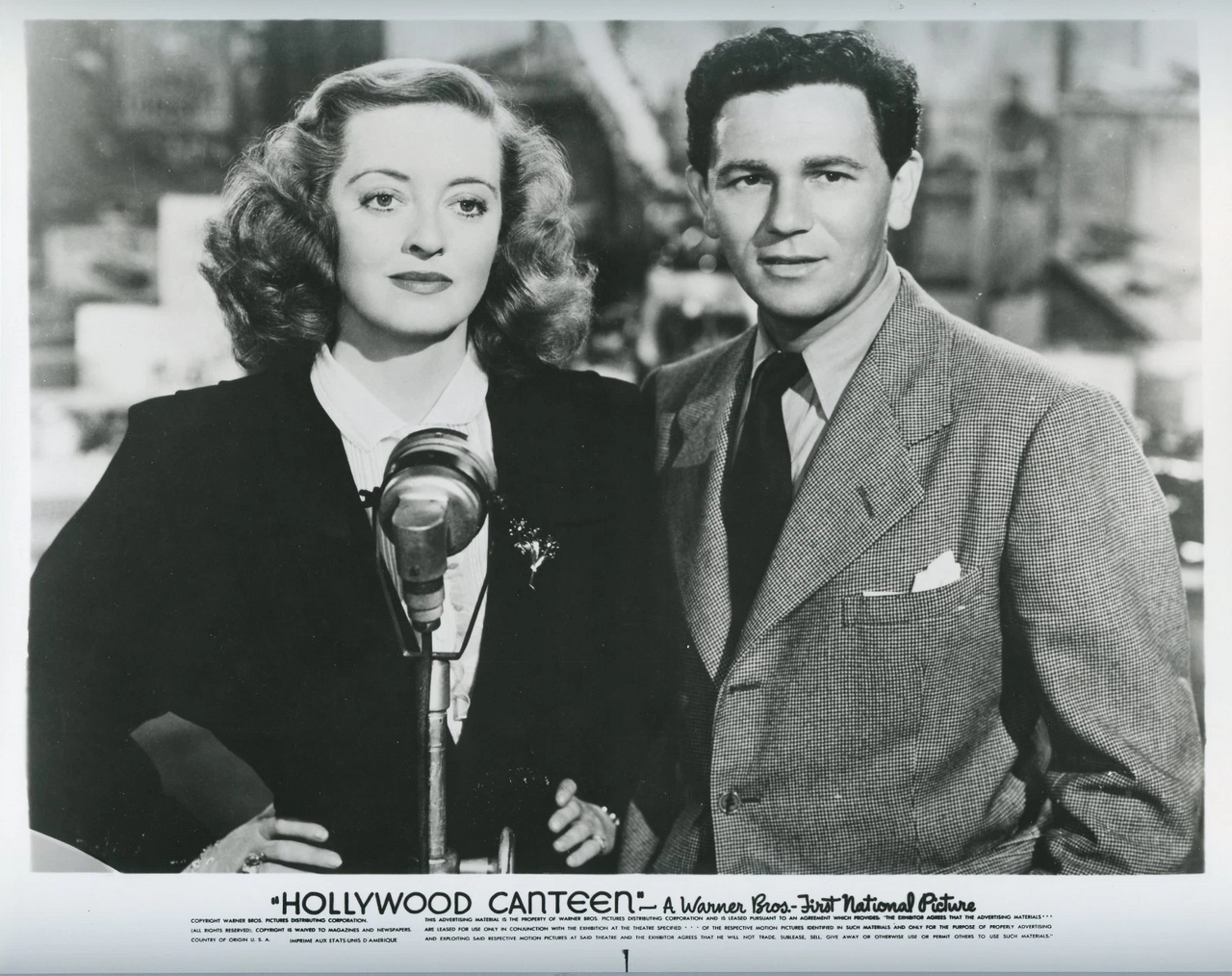
Bette Davis was known for her forceful and intense style of acting and her physical transformations. She gained a reputation as a perfectionist who could be highly combative, and confrontations with studio executives, film directors, and co-stars were often reported. Her forthright manner, clipped vocal style, and ubiquitous cigarette contributed to a public persona which has often been imitated. Davis was the co-founder of the Hollywood Canteen, and was the first female president of the Academy of Motion Picture Arts and Sciences. Her career went through several periods of eclipse, and she admitted that her success had often been at the expense of her personal relationships. Married four times, she was once widowed and three times divorced, and raised her children as a single parent. Her final years were marred by a long period of ill health, but she continued acting until shortly before her death from breast cancer, with more than 100 film, television, and theater roles to her credit.
Did You Know?
- Davis was the first woman to receive a Lifetime Achievement Award from the American Film Institute.
- She was the second actress to accrue ten Academy Award nominations (and one write-in) for acting.
- Davis was the co-founder of the Hollywood Canteen.
- She was the first female president of the Academy of Motion Picture Arts and Sciences.
Breaking Barriers Across Every Stage
Sammy Davis Jr. entered the entertainment world before he could walk, performing in vaudeville alongside his father Sammy Davis Sr. and godfather Will Mastin as part of the troupe that would become the Will Mastin Trio. By age seven he had already appeared in two musical shorts, and by the early 1950s his act was opening for major stars at Hollywood's Ciro's nightclub, a gig that landed just before the 23rd Academy Awards and marked a genuine career turning point. The following years saw him shatter ceilings one after another: in 1954 he became the first Black performer to headline a Las Vegas show, and in 1956 he starred in his first Broadway musical, Mr. Wonderful. His film work accelerated with Anna Lucasta in 1958 and the critically praised Porgy and Bess the next year. Joining the Rat Pack alongside Frank Sinatra and Dean Martin in 1960 placed him at the center of mainstream American entertainment. His 1964 return to Broadway in Golden Boy produced the first interracial kiss on that stage and earned him a Tony nomination, while a 1966 variety series cemented his presence on television.
A Voice That Defined an Era
Davis was far more than a stage and screen presence; his recording career made him a household name in popular music. His 1955 debut album, Starring Sammy Davis Jr., produced the singles "Hey There" and "The Birth of the Blues" and climbed to the top of the Billboard pop albums chart, an extraordinary feat for a Black artist in that era. Subsequent releases yielded further popular tracks, including "Something's Gotta Give," "That Old Black Magic," and the Grammy-nominated "What Kind of Fool Am I?" By the late 1960s and into the 1970s, songs like "I've Gotta Be Me" and "Mr. Bojangles" had become his signature numbers, while "The Candy Man" gave him the only number-one single of his career on the Billboard Hot 100. These recordings, spanning jazz-inflected pop, blues, and straightforward danceable tunes, showcased a versatile vocalist who could move fluidly between genres. His ability to connect with broad audiences through song cemented his reputation as "Mr. Entertainment" and "Mister Show Business," titles that reflected a career spanning nightclubs, concert halls, radio, and television with equal ease.
Identity, Adversity, and Self-Definition
Davis's personal life was marked by both extraordinary hardship and defiant self-expression. In 1954, at twenty-nine, a car accident cost him his left eye, a physical loss he carried for the rest of his life. Three years later, his public relationship with white actress Kim Novak drew intense backlash in a country where interracial couples still faced social ostracism and where interracial marriage was not yet legal in every state until 1967. In 1960 he converted to Judaism, a decision he rooted in the shared experience of oppression between African Americans and Jewish Americans. The convergence of these identities became the source of one of his most quoted remarks. On a golf course, when Jack Benny asked about his handicap, Davis replied, "Handicap? Talk about handicap. I'm a one-eyed Negro who's Jewish." That wry, unflinching self-description captured a man who refused to let society's categories define him. His early years also carried scars: as a toddler in vaudeville, he was sometimes placed in blackface and disguised as a "44-year-old midget" to circumvent child labor laws, a dark reminder of the industry's compromises.
Final Curtain and Enduring Honors
In 1987, Davis reunited with Frank Sinatra and Dean Martin for an international tour that also featured Liza Minnelli, a triumphant late-career chapter that drew on decades of friendship and mutual respect. That same year he received the Kennedy Center Honors, a recognition of his lifetime contributions to American arts. His life ended on May 16, 1990, from lung cancer, and the circumstances of his passing were complicated by significant debts to the Internal Revenue Service. After his wife's later death, his estate became entangled in legal disputes. Yet the posthumous tributes continued to accumulate. The NAACP had awarded him the Spingarn Medal during his lifetime, and he had received nominations for both a Golden Globe and a Primetime Emmy for his television work. In 2001 the Recording Academy posthumously presented him with the Grammy Lifetime Achievement Award, and in 2017 he was inducted into the National Rhythm & Blues Hall of Fame. Together, these honors underscore a career that touched virtually every major entertainment medium and helped reshape what was possible for Black performers in the twentieth century.
Gallery
Frequently Asked Questions
Who is Bette Davis?
Bette Davis (born Ruth Elizabeth Davis, 1908–1989) was an American actress who worked across film, television, and stage. She is widely regarded as one of the most accomplished performers in Hollywood history.
What films is Bette Davis most famous for?
Her standout roles include Jezebel, All About Eve, and What Ever Happened to Baby Jane?, among many others. She won the Best Actress Oscar twice and became the second woman in history to collect ten Academy Award acting nominations.
What made Bette Davis's acting style stand out?
She was celebrated for bringing raw intensity and a sardonic edge to characters that other actresses would avoid. Her willingness to portray flawed, unsympathetic, or even villainous women set her apart in an era that often rewarded softer leading-lady archetypes.
Why is Bette Davis considered important to film history?
She expanded what audiences expected from a leading lady by spanning crime melodramas, period pieces, comedies, and dark psychological dramas. Her career also broke records, including becoming the first woman to receive the AFI Lifetime Achievement Award.
How did Bette Davis's career end?
After a decades-long run in Hollywood, she continued working in television and theater into the 1980s before her health declined. She passed away on October 6, 1989, leaving behind a legacy that still influences actresses today.
More in Performers And Entertainers 1-19
Spotted an error? Know more?
This is a living reference — every entry is fact-audited, and reader corrections feed straight into our audit queue. Suggest an edit · See this site's audit record