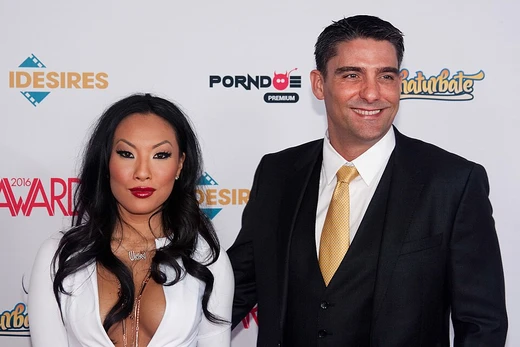
George Carlin
Comedian who performed at Mister Kelly's early in his career.

Cholo Aleman · CC BY-SA 3.0
George Carlin was one of the many comedians who performed at Mister Kelly's, the Chicago nightclub that operated from 1953 to 1975. The source lists him among the entertainers who played the club early in their careers, alongside names like Woody Allen, Lenny Bruce, Richard Pryor, and Bill Cosby. Mister Kelly's was known as a springboard to fame, especially for jazz singers and comedians, and Carlin's appearances there were part of his rise as a stand-up comedian. The club's format from 1959 onward combined a musical act with a comedy act, providing a stage for both new talent and established stars.
- field
- Comedian
Verified Timeline
Lore & Background
George Carlin is listed among the notable performers who appeared at Mister Kelly's, specifically in the section 'Notable performers' which includes comedians such as Shecky Greene, Lenny Bruce, Mort Sahl, Woody Allen, Richard Pryor, Joan Rivers, Bill Cosby, and George Carlin. The source states that these entertainers 'played the club early in their careers.' Mister Kelly's was owned by brothers Oscar and George Marienthal and operated on Rush Street in Chicago from 1953 to 1975. The club was destroyed by fire in December 1955, rebuilt and reopened in August 1956, then destroyed again by fire in February 1966 and reopened in May 1967. Carlin's performances there would have occurred during the club's middle years, when it featured a combination of musical and comedy acts.
Reader's Guide
For fans interested in George Carlin's connection to Mister Kelly's, the source confirms he was one of the many comedians who performed there early in their careers. The club's legacy as a springboard to fame is well-documented: the Chicago Tribune called it 'a supernova in the local and national nightlife firmament.' Other comedians who shared that stage included Lenny Bruce, Richard Pryor, Joan Rivers, Bill Cosby, Woody Allen, and Bob Newhart. Mister Kelly's operated from 1953 to 1975, with a format from 1959 onward that paired a musical act with a comedy act. The club had fewer than 200 seats, including 'bleachers' where customers could watch the show for the price of a drink or two. Carlin's appearances there were part of a vibrant Chicago nightlife scene that also included the London House and the Happy Medium, both owned by the same Marienthal brothers.
Did You Know?
- George Carlin is listed among the comedians who performed at Mister Kelly's early in their careers, alongside Lenny Bruce, Richard Pryor, and Bill Cosby.
- Mister Kelly's was destroyed by fire twice: first on December 8, 1955, and again on February 8, 1966.
- The club had fewer than 200 seats, including 'bleachers' that were a no-minimum, no-cover area where customers could watch the show for the price of a drink or two.
- From 1959 onward, Mister Kelly's format combined a musical act with a comedy act, which remained the club's format for the next 16 years.
- The club operated on Rush Street in Chicago from 1953 to 1975 and was owned by brothers Oscar and George Marienthal.
Gallery
Frequently Asked Questions
Who is George Carlin?
George Carlin was an American stand-up comedian, satirist, and social critic born in Manhattan in 1937. He spent decades using sharp wit to dissect politics, religion, psychology, and the quirks of the English language.
What is George Carlin most famous for?
He is best remembered for his dark, observational stand-up routines that mocked authority, consumer culture, and societal norms. His 1972 'seven dirty words' monologue became a landmark moment in free-speech debates.
What happened with the 'seven dirty words' routine and the FCC?
Carlin's 1972 monologue listing seven profane words triggered the 1978 U.S. Supreme Court case FCC v. Pacifica Foundation. The court ruled that broadcasters could be restricted from airing indecent content during hours when children might be listening.
When and how did George Carlin die?
Carlin passed away on June 22, 2008, from cardiac failure. He was 71 years old at the time of his death.
Why is George Carlin considered important in comedy history?
He pushed boundaries of what could be said on stage and in public discourse, influencing generations of comedians who followed. His work blended entertainment with genuine sociocultural critique, making him a defining voice of late-20th-century American satire.
More in Performers And Entertainers 1-19
Spotted an error? Know more?
This is a living reference — every entry is fact-audited, and reader corrections feed straight into our audit queue. Suggest an edit · See this site's audit record