
Celia Cruz
Cuban-American singer known as the Queen of Salsa.

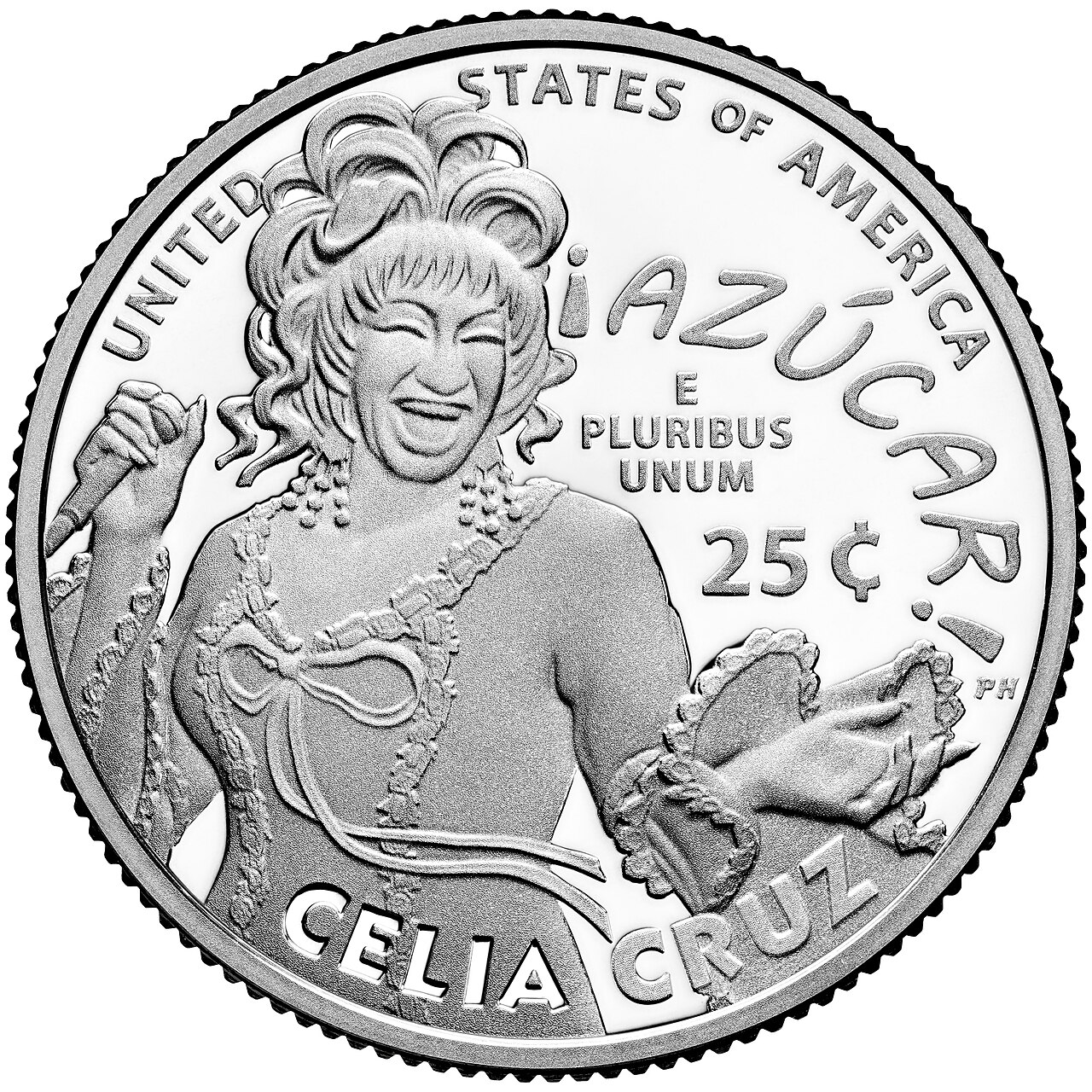
Phebe Hemphill · Public domain
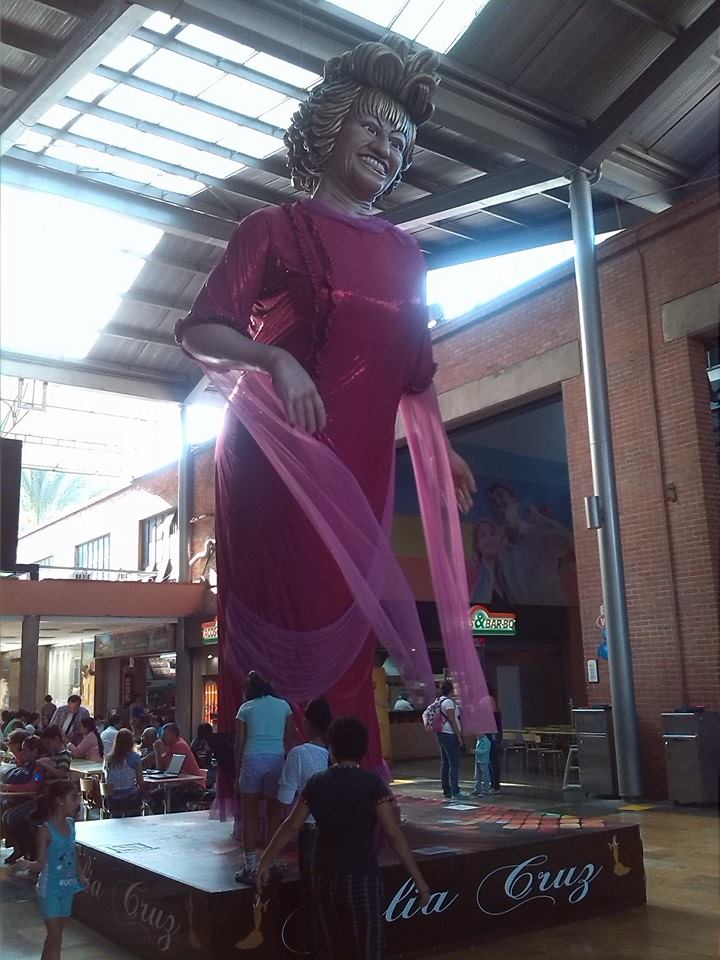
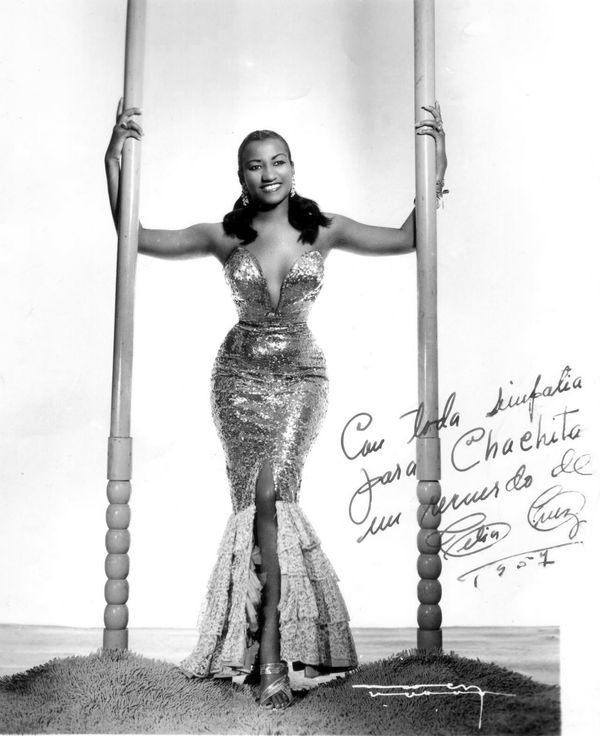
Celia Caridad Cruz Alfonso (21 October 1925 – 16 July 2003), known as Celia Cruz, was a Cuban-American singer and one of the most popular Latin artists of the 20th century. Cruz rose to fame in Cuba during the 1950s as a singer of guarachas, earning the nickname La Guarachera de Cuba. In the following decades, she became known internationally as the "Queen of Salsa" due to her contributions to Latin music. She sold over 30 million records, making her one of the best-selling Latin music artists.
- born
- 21 October 1925
- died
- 16 July 2003
- field
- Singer
- nationality
- Cuban-American
- known_for
- Queen of Salsa; catchphrase '¡Azúcar!'
Verified Timeline
Lore & Background
Celia Cruz was born on 21 October 1925 at 47 Serrano Street in the Santos Suárez neighborhood of Havana, Cuba. Her father, Simón Cruz, was a railway stoker, and her mother, Catalina Alfonso Ramos, a housewife. According to her mother, she began singing as a child at 9 or 10 months of age. After high school, she attended the Normal School for Teachers in Havana with the intent of becoming a literature teacher. From 1947, Cruz studied music theory, voice, and piano at Havana's National Conservatory of Music. Her big break came in 1950 when Myrta Silva left Sonora Matancera and the band asked Cruz to audition. She joined as lead singer in June 1950, becoming the group's first black frontwoman. In her first rehearsal, she met her future husband Pedro Knight, the band's second trumpeter. She debuted with the group on 3 August 1950. On 15 December 1950, Cruz recorded her first songs with the group, which were a resounding success. Over 15 years she recorded 188 songs with Sonora Matancera, including hits such as "Cao cao maní picao", "Mata siguaraya", "Burundanga", and "El yerbero moderno". She won her first gold record for "Burundanga", making her first trip to the United States in 1957 to receive the award and to perform at St. Nicholas Arena, New York. In 1960, after the Cuban Revolution, Cruz left Cuba on 15 July 1960 and would not return until 1990. In 1962, before the Cuban government refused her return, she acquired a house in Fort Lee, New Jersey. That same year, on 14 July, Cruz married Pedro Knight in a civil ceremony. In the 1960s, she collaborated with Tito Puente, recording her signature tune "Bemba colorá". In the 1970s, she signed for Fania Records and released hits such as "Quimbara". During the last years of her career, Cruz released successful songs such as "La vida es un carnaval" and "La negra tiene tumbao", and collaborated with Wyclef Jean and Lauryn Hill on "Guantanamera", which was nominated for the Grammy Award for Best Rap Performance By A Duo Or Group.
Reader's Guide
Celia Cruz's musical legacy is made up of a total of 37 studio albums, as well as numerous live albums and collaborations. Throughout her career, she was awarded numerous prizes and distinctions, including two Grammy Awards and three Latin Grammy Awards. In addition to her prolific career in music, Cruz also made several appearances as an actress in movies and telenovelas. Her catchphrase "¡Azúcar!" ("Sugar!") has become one of the most recognizable symbols of salsa music. In 2026, Cruz was posthumously inducted into the Rock and Roll Hall of Fame as an early musical influence. Cruz mastered a wide variety of Afro-Cuban music styles including guaracha, rumba, afro, son, and bolero, recording numerous singles in these styles for Seeco Records. After leaving Cuba in 1960, she became one of the symbols and spokespersons of the Cuban community in exile. She continued her career, first in Mexico, and then in the United States, the country that she took as her definitive residence. She often appeared live with Fania All-Stars and collaborated with Johnny Pacheco and Willie Colón.
Did You Know?
- Cruz began singing as a child at 9 or 10 months of age, according to her mother.
- She won her first gold record for the song 'Burundanga' and made her first trip to the United States in 1957 to receive the award.
- Cruz left Cuba on 15 July 1960 and would not return to her home country until 1990.
- Her catchphrase '¡Azúcar!' has become one of the most recognizable symbols of salsa music.
- In 2026, Cruz was posthumously inducted into the Rock and Roll Hall of Fame as an early musical influence.
Havana Roots and Early Musical Formation
Celia Caridad Cruz Alfonso entered the world on October 21, 1925, on Serrano Street in Havana's Santos Suárez district, into a household where fourteen children—her three siblings Dolores, Gladys, and Bárbaro among them—shared the space under their mother Catalina's care while her father Simón worked as a railway stoker. By her mother's account, the infant was already vocalizing melodies at nine or ten months old, and she later became the voice that lulled her younger cousins to sleep. Havana's vibrant 1930s sound world—Fernando Collazo, Abelardo Barroso, Pablo Quevedo, Antonio Arcaño, Arsenio Rodríguez—soaked into her young ears. Despite her father's disapproval and her Catholic upbringing, she absorbed Santería and Yoruba devotional songs from a neighbor and from the singer Merceditas Valdés. After high school she enrolled at the Normal School for Teachers, yet a professor's candid remark about an entertainer's daily earnings versus a teacher's monthly pay shifted her trajectory. From 1947 she pursued formal training in music theory, voice, and piano at Havana's National Conservatory, and her first public triumph came on Radio García-Serra's amateur program, where her rendition of the tango 'Nostalgia' earned her a cake as first prize.
From Sonora Matancera to the Salsa Throne
Cruz's professional ascent in Cuba was anchored by a fifteen-year tenure with Sonora Matancera from 1950 to 1965, during which she became the island's defining guaracha vocalist and earned the moniker La Guarachera de Cuba. Her range extended well beyond that single genre: she recorded singles in rumba, afro, son, and bolero for Seeco Records, demonstrating a versatility that set her apart from peers. The political upheaval of 1960—when the Revolution's nationalization of Cuba's music industry made her position untenable—forced her departure from the country she had called home. She became a living emblem of the Cuban exile community, a spokesperson for those who had left the island. After a brief period in Mexico, she settled permanently in the United States. The 1960s brought a pivotal partnership with Tito Puente, yielding the signature number 'Bemba colorá.' By the 1970s, a contract with Fania Records tethered her name to the salsa movement, producing chart-toppers like 'Quimbara' and establishing her as the genre's undisputed queen. In her final years she delivered 'La vida es un carnaval' and 'La negra tiene tumbao,' proving her artistry remained vital well into the new millennium.
Collaborations, Signature Moments, and the 'Azúcar' Persona
Few artists in Latin music can claim a collaboration network as wide-ranging as Cruz's. Her partnership with Tito Puente in the 1960s produced 'Bemba colorá,' a track that became inseparable from her identity. The 1970s Fania era deepened those ties: she performed live alongside the Fania All-Stars and recorded with both Johnny Pacheco and Willie Colón, cementing her status within the salsa canon. Yet her reach extended far beyond the genre's core. In the closing years of her career she joined forces with Wyclef Jean and Lauryn Hill on a rendition of 'Guantanamera,' a cross-genre project that earned a Grammy nomination for Best Rap Performance By A Duo Or Group. Her live persona was equally iconic; the exclamation '¡Azúcar!'—her signature call to the audience—became perhaps the single most recognizable verbal emblem of salsa culture worldwide. Beyond the recording studio and concert stage, she also stepped in front of the camera for film and telenovela roles, broadening her public presence into visual storytelling. Her discography ultimately comprised thirty-seven studio albums alongside a substantial catalog of live recordings and collaborative projects, and her recordings sold more than thirty million copies worldwide.
A Complicated Legacy: Politics, Honors, and Historical Reckoning
The full picture of Cruz's life carries layers that complicate any simple narrative. In 2004, the Miami Herald, drawing on partially declassified State Department documents obtained through Freedom of Information Act requests, revealed that as early as the 1940s she had been connected to Cuba's Popular Socialist Party, the pre-Revolution communist organization. The US Embassy in Havana had denied her a visa in both 1952 and 1955 on suspicion of those affiliations. She had joined the party's youth wing at twenty and, according to the documents, used a concert to facilitate a secret meeting with South American communists on behalf of the party's general secretary Blas Roca Calderío. Her surviving husband Pedro Knight, when asked, said he had known nothing of it and that she never discussed politics. On the honors side, her career collected two Grammy Awards and three Latin Grammys. In 2026, she was posthumously inducted into the Rock and Roll Hall of Fame as an early musical influence—a recognition that placed her within the broader canon of popular music history, not merely the Latin sphere.
Gallery


Frequently Asked Questions
Who is Celia Cruz?
Celia Cruz was a Cuban-American singer born in 1925 who became one of the most celebrated Latin artists of the twentieth century. She is best known by her title, the 'Queen of Salsa,' and sold more than 30 million records over the course of her career.
What is Celia Cruz's famous catchphrase?
Her signature exclamation is '¡Azúcar!,' which she would shout to hyp up crowds during live shows. The phrase became so inseparable from her stage persona that it essentially functioned as her personal brand.
How did Celia Cruz first gain recognition?
She broke through in Cuba during the 1950s by performing traditional guaracha songs, which earned her the nickname La Guarachera de Cuba. That early reputation in her homeland set the stage for her later explosion into international salsa stardom.
Why is Celia Cruz considered important in music history?
She helped carry Cuban musical traditions into the wider salsa genre and introduced them to a global audience. Her electrifying live performances and massive record sales made her a cultural figure well beyond the Latin music world.
When did Celia Cruz pass away?
Celia Cruz died on 16 July 2003, at the age of 77. Her death closed a remarkable career, yet her recordings and energetic legacy continue to shape new generations of salsa and Latin music artists.
More in Performers And Entertainers 1-19
Spotted an error? Know more?
This is a living reference — every entry is fact-audited, and reader corrections feed straight into our audit queue. Suggest an edit · See this site's audit record